Tone of Voice

Introduction ​

Our tone of voice (TOV) brings our brand strategy to life with language.​ It defines how we say what we say.​

It gives us the flexibility to talk to different audiences about different topics – while always sounding like AGRANA.​ Our tone of voice is guided by three principles, that we can adjust depending on who we’re speaking to and what we’re speaking about.​

We’ve included examples and writing tips to show how our new tone comes to life in practice.​

Our TOV principles

We'll start with three principles that guide you to the new AGRANA tone. ​​It's important to note that you don't need to use all tone of voice principles at one time, or in the same way for your communications.

Make the message clear

Principle 01

In a complex industry like ours, clarity builds trust.

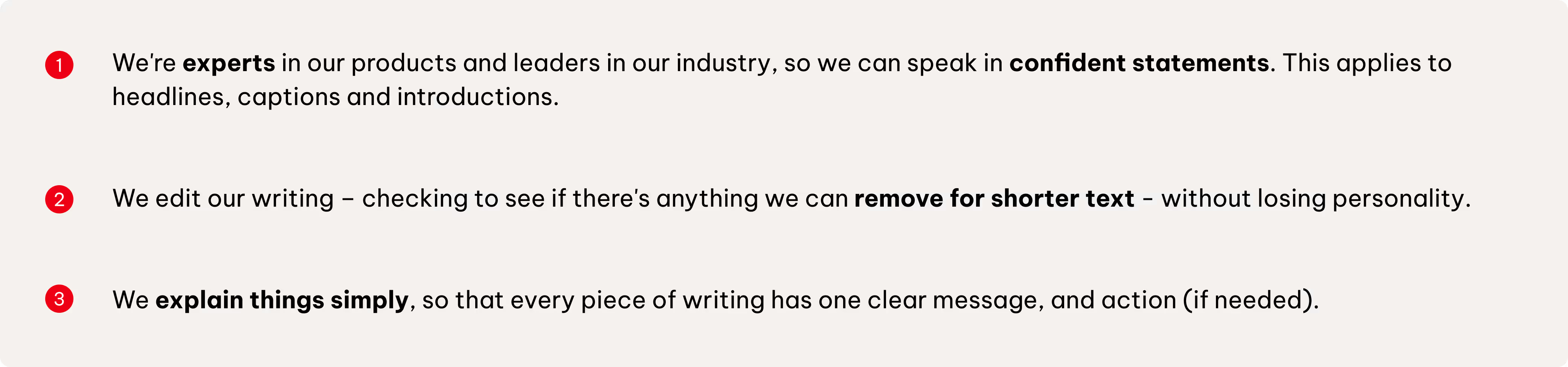
We communicate with confidence and purpose - making sure our messages are easy to grasp, without oversimplifying or losing the human touch.

We are:
Confident, efficient and grounded

We’re not:
Blunt, arrogant or emotionless

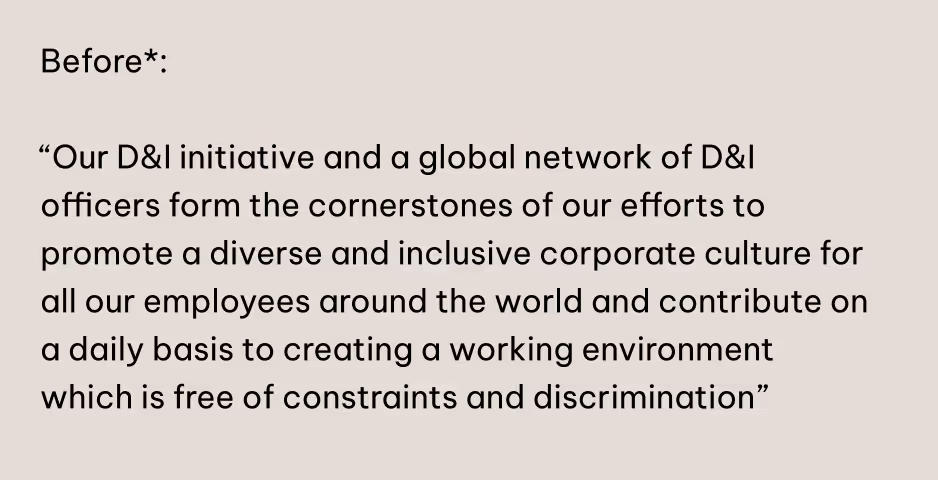
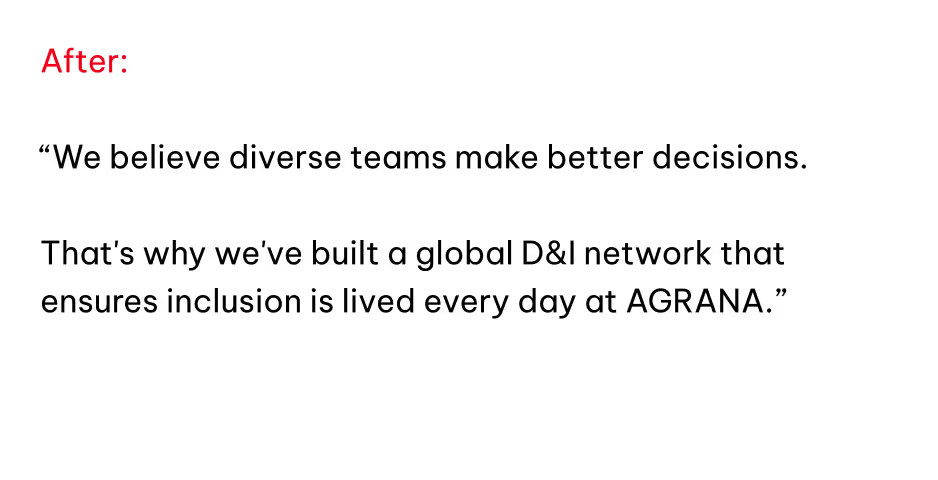
EXISTING EXAMPLE: WEB COPY / SEGMENT INTRO

What's changed?

  • Explaining it simply through copy and structure
  • More confident and getting to the point faster
  • Remove redundant words for clarity (e.g. divided into two divisions)

Spark new thinking

Principle 02

We work in a field that’s constantly evolving.
So, fresh ideas matter.

With curiosity and optimism, we inspire others to see new possibilities and shape what’s next, always with purpose and authenticity.

We are:
Innovative, inspiring and optimistic.

We’re not:
Obnoxious, vague, or insincere

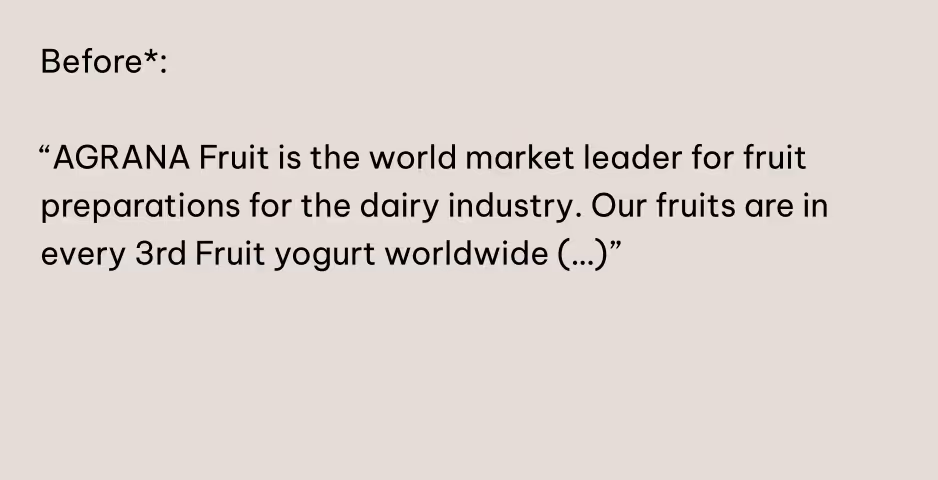
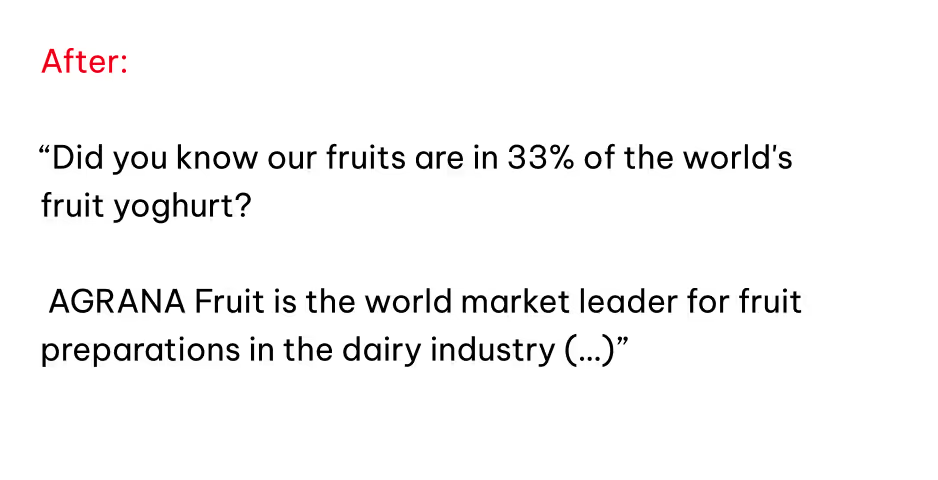
Existing example: LinkedIn

What's changed?

  • The 1/3 of all yoghurt's fact is really interesting and by leading with it, it intrigues the reader and catches attention instantly.
  • It's a tangible statistic that expresses the magnitude of what AGRANA does,  and adds our credibility.

Be approachable

Principle 03

Whether we’re speaking to farmers, partners, or the wider public - we keep it human.

Our tone is friendly and respectful, making it easy for everyone to connect with what we say, without trying too hard to sound trendy or familiar.

We are:
Friendly, accessible, human-to-human

We’re not:
Overly casual, too personal, or insincere (e.g. using on-trend slang if it doesn't fit).

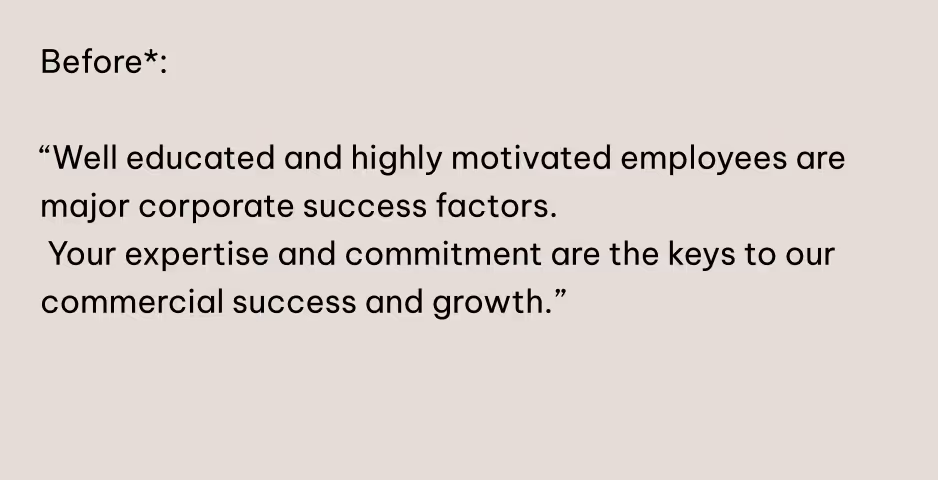
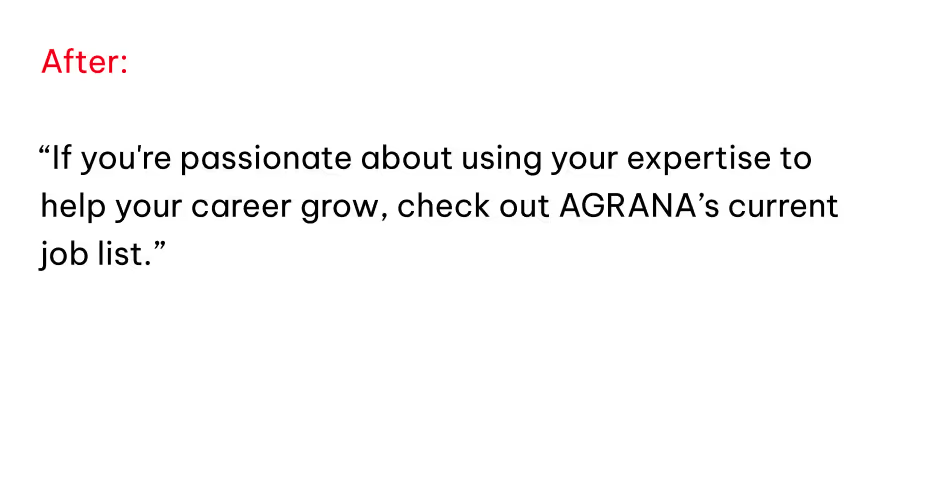
Existing example: AGRANA Career page

What's changed?

  • The first line in the before example talks about the benefit to us  – not to the jobseeker.
  • Generally, it's about our success. We put the person at the center 
 and express the opportunity to them, not us
  • We speak in a more human manner, with less corporate speak

How to apply our TOV principles in communication

The tone of voice principles are designed to be considered across everything we say and write.

It won't always be appropriate to use all of them at once.

But we must ‘Make the message clear' all the time and should aim to use at least one supporting principle.

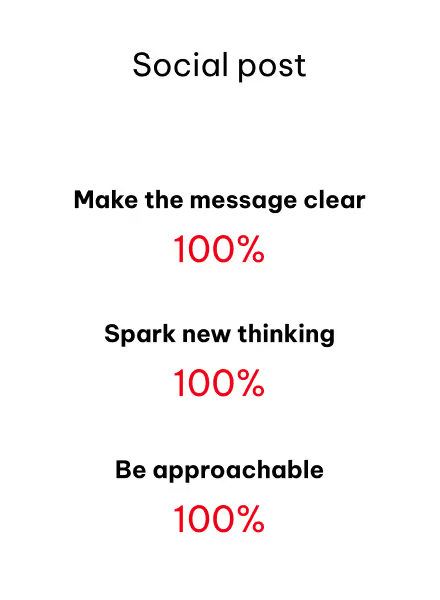
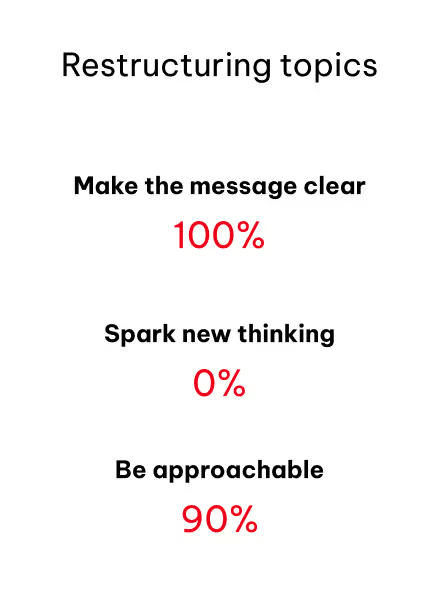
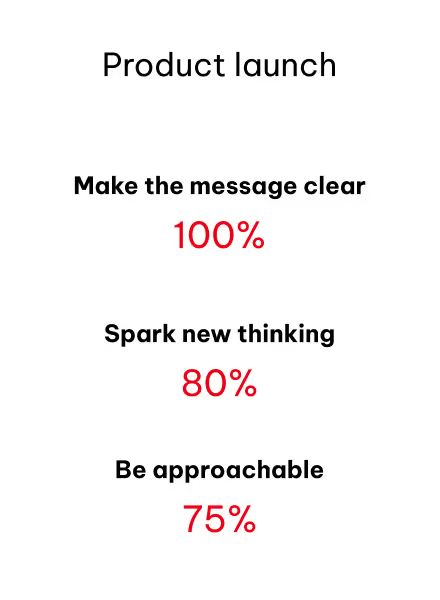
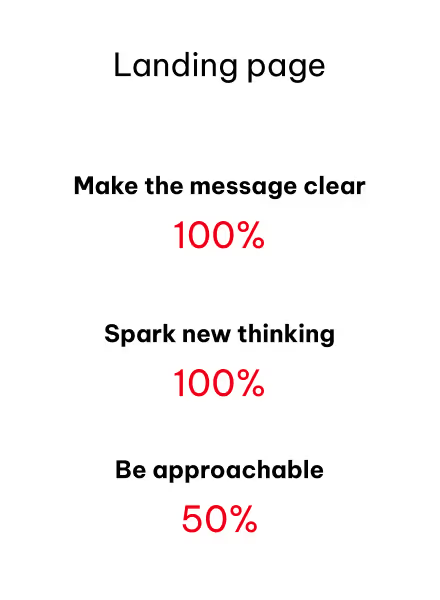
Think of our tone of voice principles like dials. We want to dial a tone of voice principle up for certain occasions and down for others.

Make the message clear is always 100%

Examples how to apply our TOV principles in communication

The following examples show how the principles can come to life across our brand interactions. 

Note: These are samples to show how the TOV works, they aren't new content.

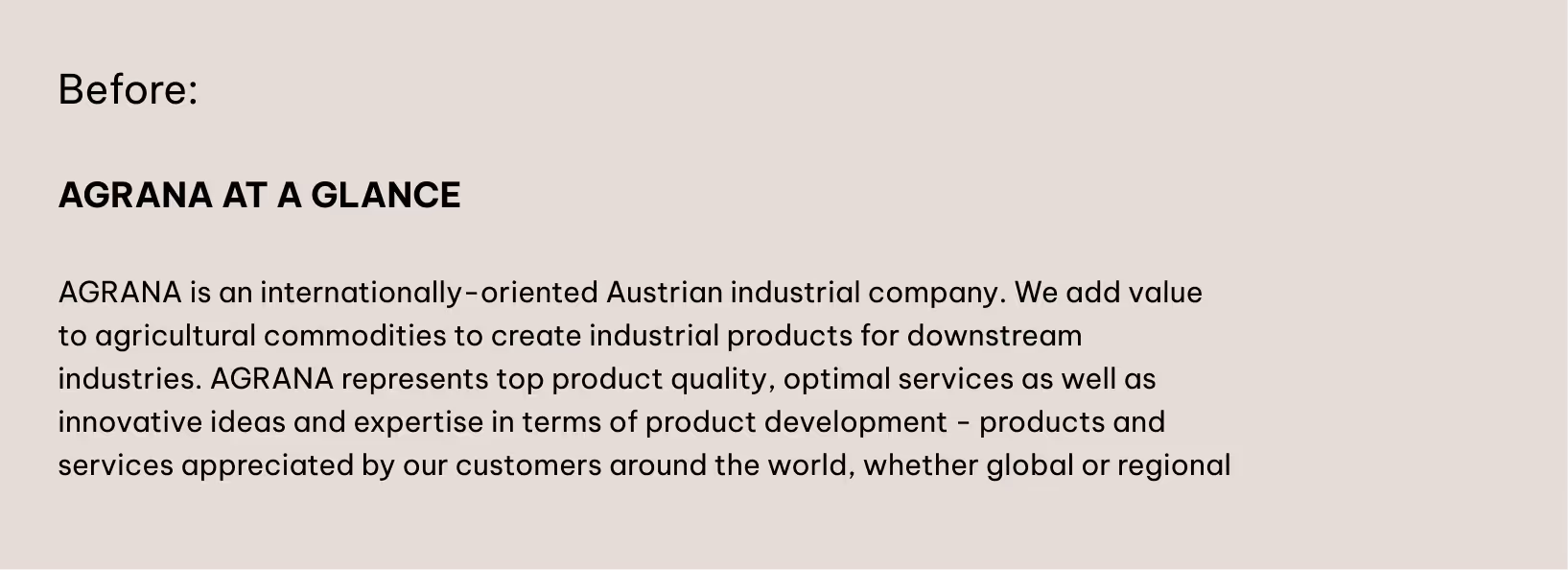
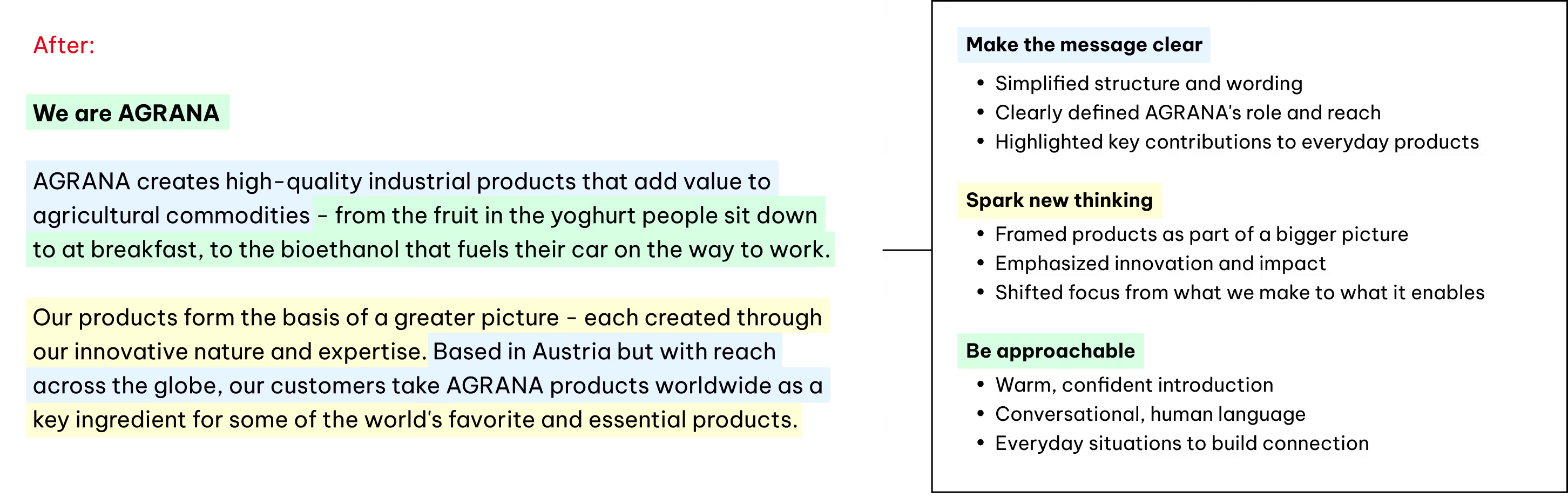
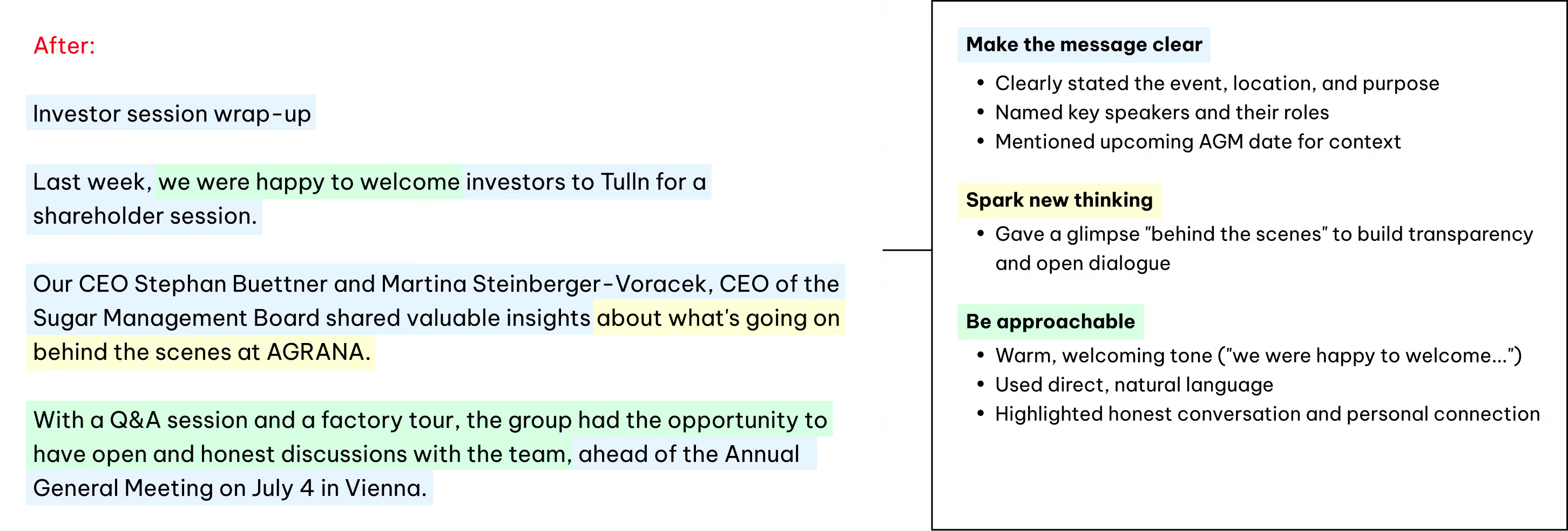
Application example: AGRANA boilerplate text

Observations:
The copy is more complex than it needs to be
• We have an opportunity to clearly explain how we operate
• We have an opportunity to add some more inspirational/insightful copy


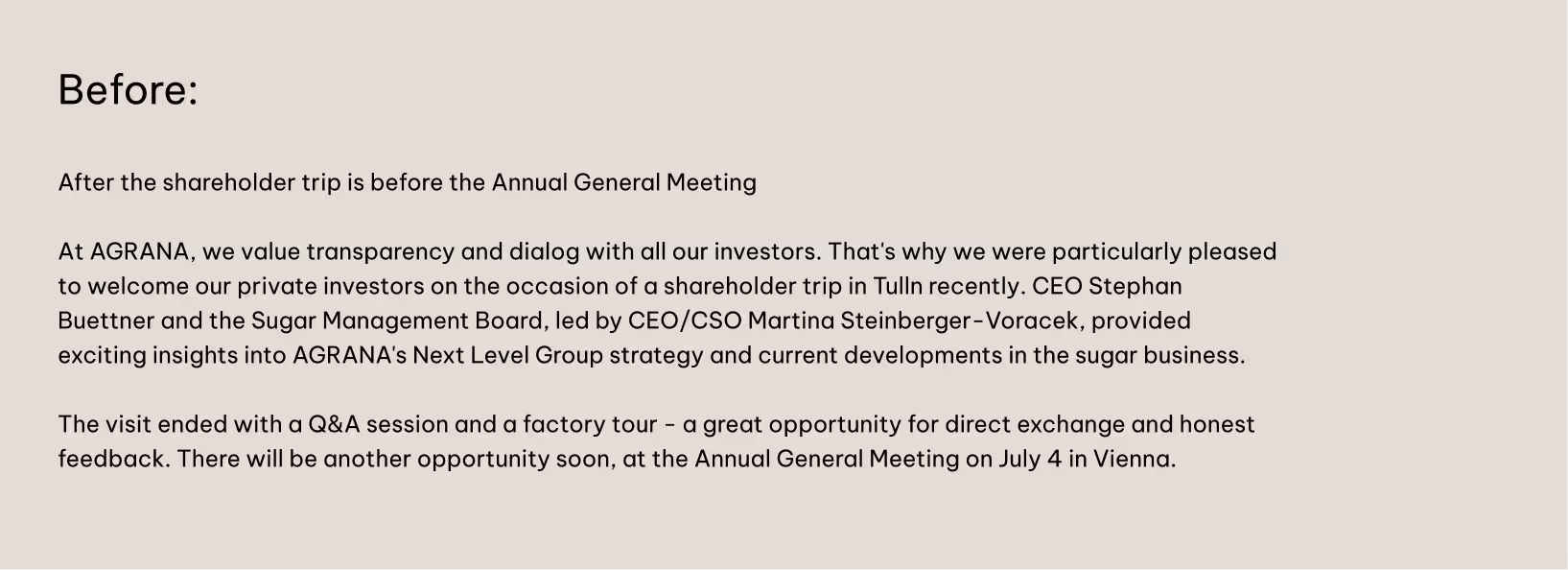
Application example: AGRANA LinkedIn post

Observations:
The first sentence doesn't make sense (aka. German word-for-word translation)
Opportunityto tighten: e.g. remove 'particularly', 'on the occasion of’
Generally, we can use more approachable language


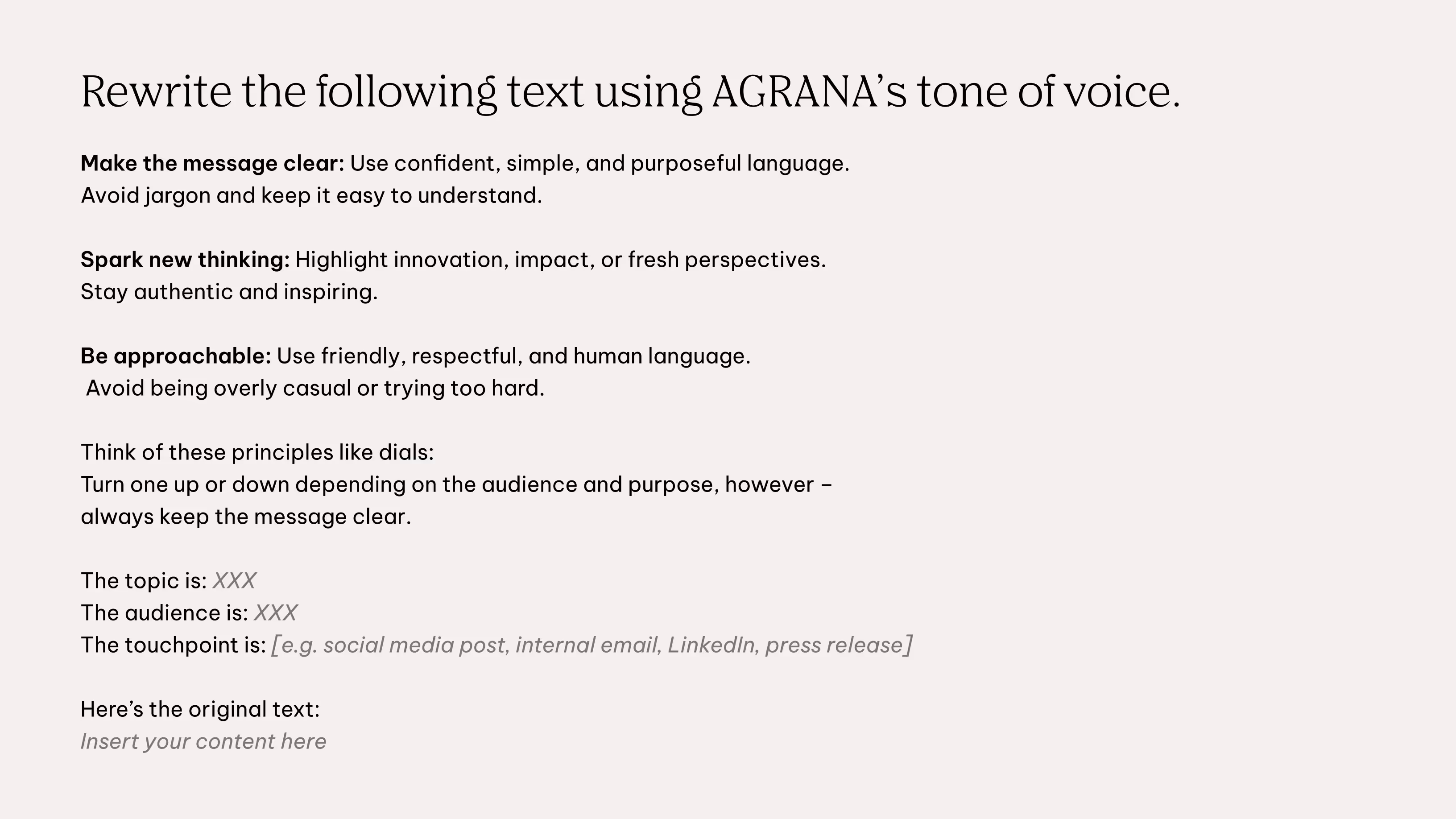
Using AI for content creation:
When to use it – and when not

When you need a quick starting point, AI tools can help - to spark ideas, find the right words, or polish everyday content.

However, AI-generated text should never be used as is. Always edit and adapt it to your context, check it against our tone of voice, and read it out loud to make sure it sounds like us.

AI works well for everyday tasks like short posts, quick edits, or first drafts.

But
for:
• important announcements, campaigns,
• trade fairs,
• high-visibility events,
• or sensitive messages,

please seek support from copywriters or the AGRANA Communications Team.
If you’re unsure, reach out - we’re here to make sure your message has the right impact.

Writing checklist

You can use this checklist to review your writing before publishing.

It’s designed to help you make sure your message is clear, consistent, and written in our tone of voice.

You don’t need to tick every box - but the more you do, the more confident you can be that your piece reflects our style.

Dos & Don'ts

These simple Do’s and Don'ts help you keep your writing clear, engaging, and on-brand.
Use them as a quick reference to check that your copy sounds natural,consistent, and true to AGRANA’s tone of voice.

Keep copy nicely energetic

with a mix of short and long sentences.
Write active, not passive. Use strong verbs and vivid nouns to bring the story to life.

Refer to AGRANA first as the company name

then We/Us/Our for consistency.

Edit.

Is there's a simpler way to say something?
Remove unnecessary filler words and weak adjectives.

Keep it simple.

We have complex products and procedures, but we need to be able to explain these without getting caught up in the detail.

Ask someone to read your copy

or read it out loud before publishing/sending.
If it sounds clunky, break it down and shorten overly long, sentences.

Ask someone to read your copy

or read it out loud before publishing/sending.
If it sounds clunky, break it down and shorten overly long, sentences.

Over-explain things.

Think of it from an outside perspective – what is the most important thing to know? Less is more. Avoid unnecessary detail or filler words that dilute your message.

Be too formal.

We can still be professional but human.
Try to steer clear of clichés or stiff language that distances the reader.

Overdo ALL CAPS or exclamation marks (!).

All caps should only be for acronyms or company/product names.

Lean on abstract or weak words

(innovative, nice, beautiful) without examples or imagery.