Brand Architecture

Introduction

Why we need it

Our brand architecture guides us in the decision-making process whether a brand should exist in the first place and, if so, what branding option it should follow.

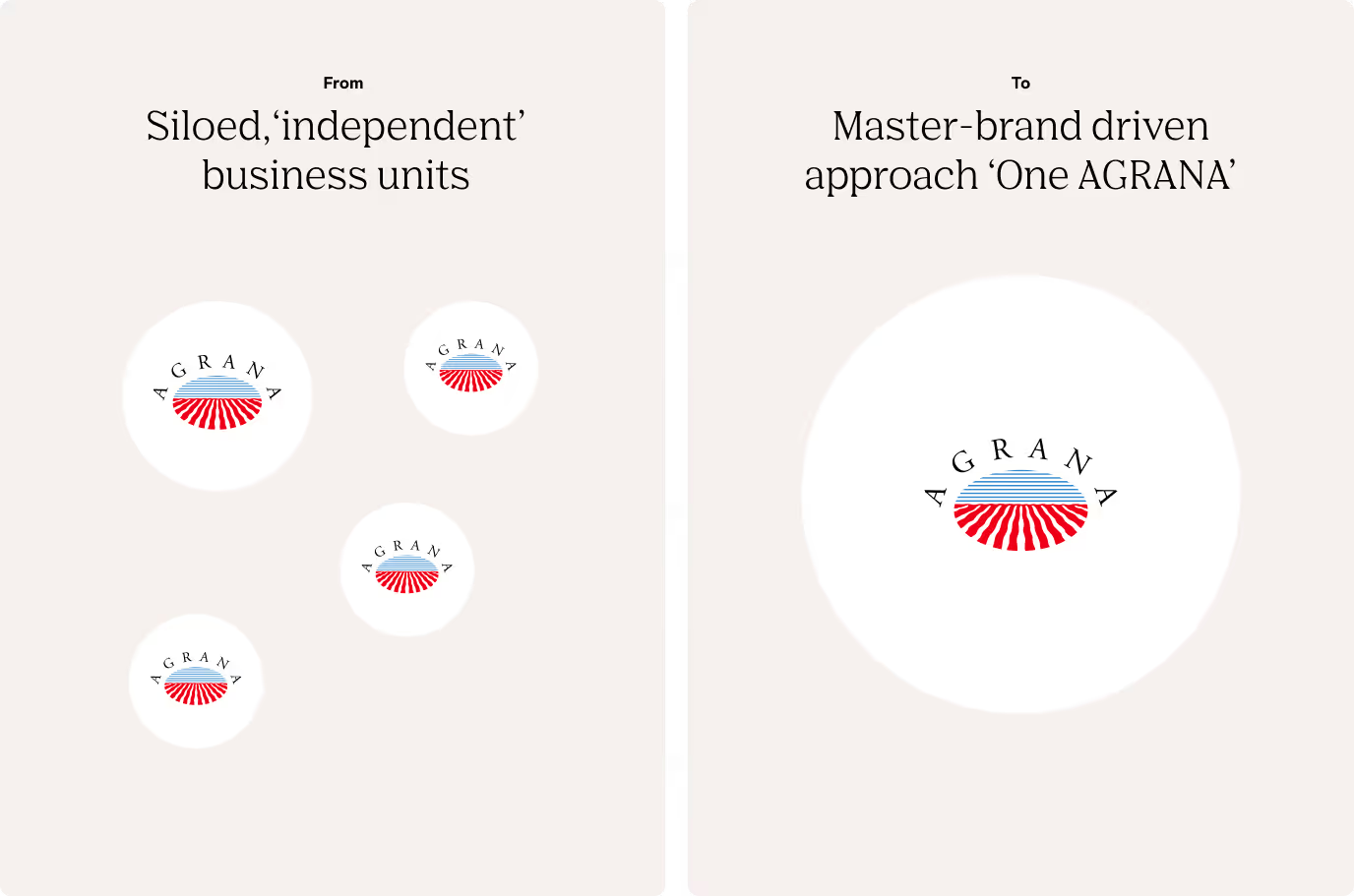
We follow a master brand approach, meaning we lead with one brand and one identity across our entire portfolio (for exceptions refer to chapter ‘Branding Options’). Our master brand approach allows us to reach the following objectives:

1. Reflect business & brand transformation and grow perceptions beyond sugar, starch and fruit
2. Strengthen AGRANA as a corporate brand
3. Be more customer focused and align with changing market demands and drive innovation
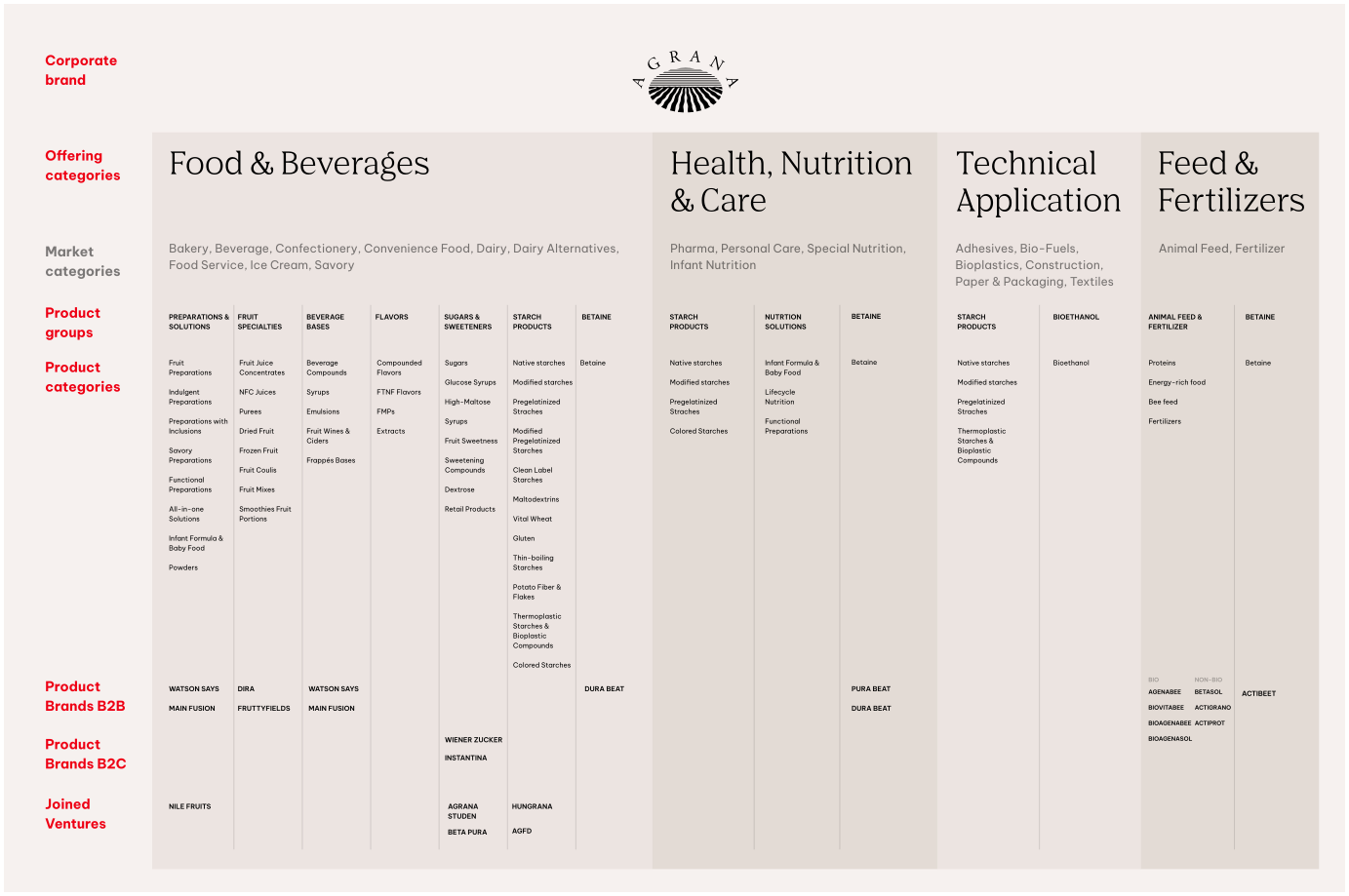
Corporate brand

The single master brand serving as the umbrella for all offerings across portfolio levels.

Offering categories

A major area of expertise provided by AGRANA, aligned to applications & markets.

Product groups

Product groups are broad groupings within each offering that organize products by their primary function.

Product categories

Product categories are specific product types or sub-segments within a product group.

Product brands (B2B / B2C)

Distinct brands assigned to specific products groups, often with their own branding.

Joint Ventures

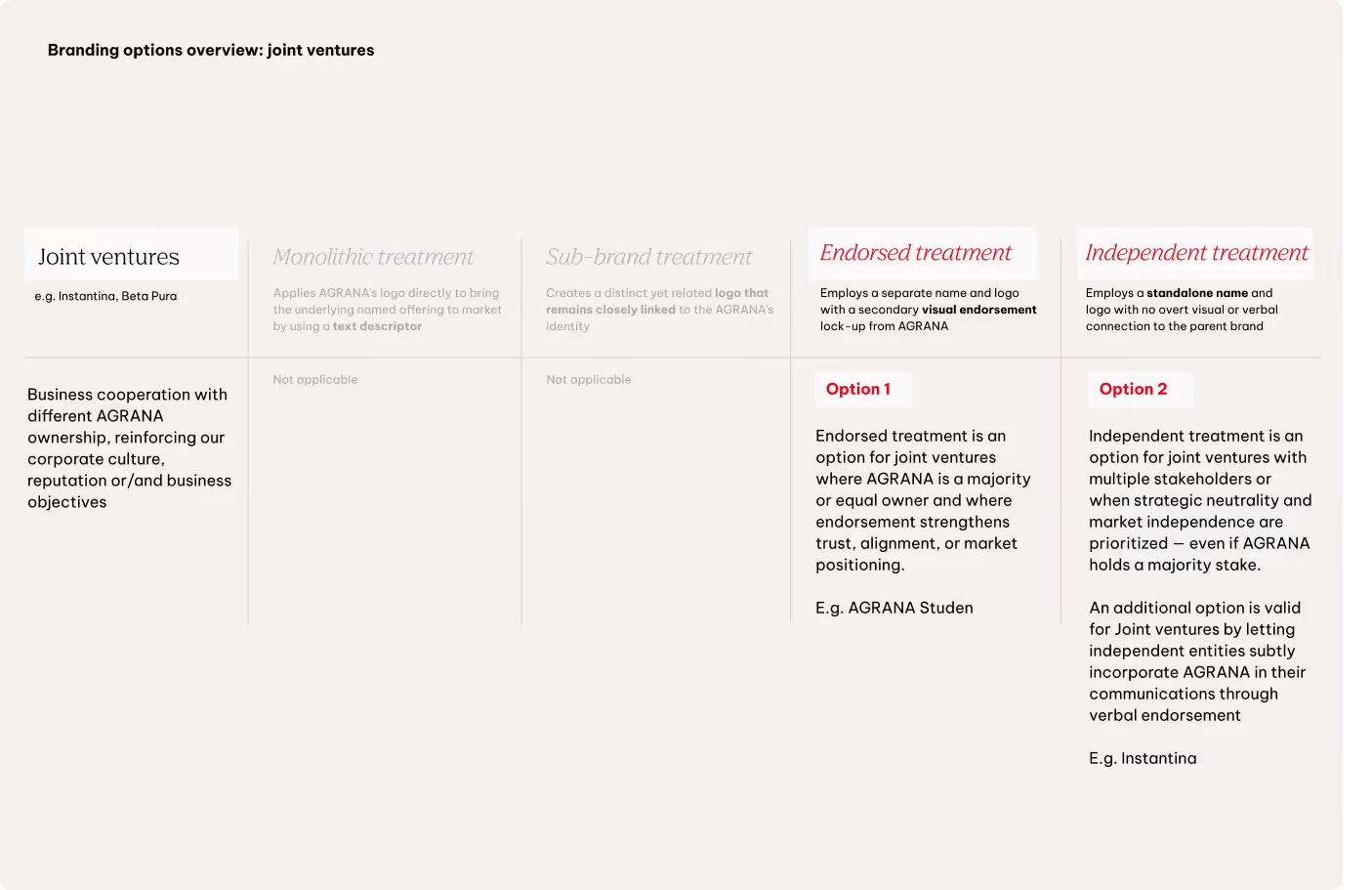
Business cooperation with different AGRANA ownership, reinforcing our corporate culture, reputation or/and business objectives.

Adapting our portfolio structure

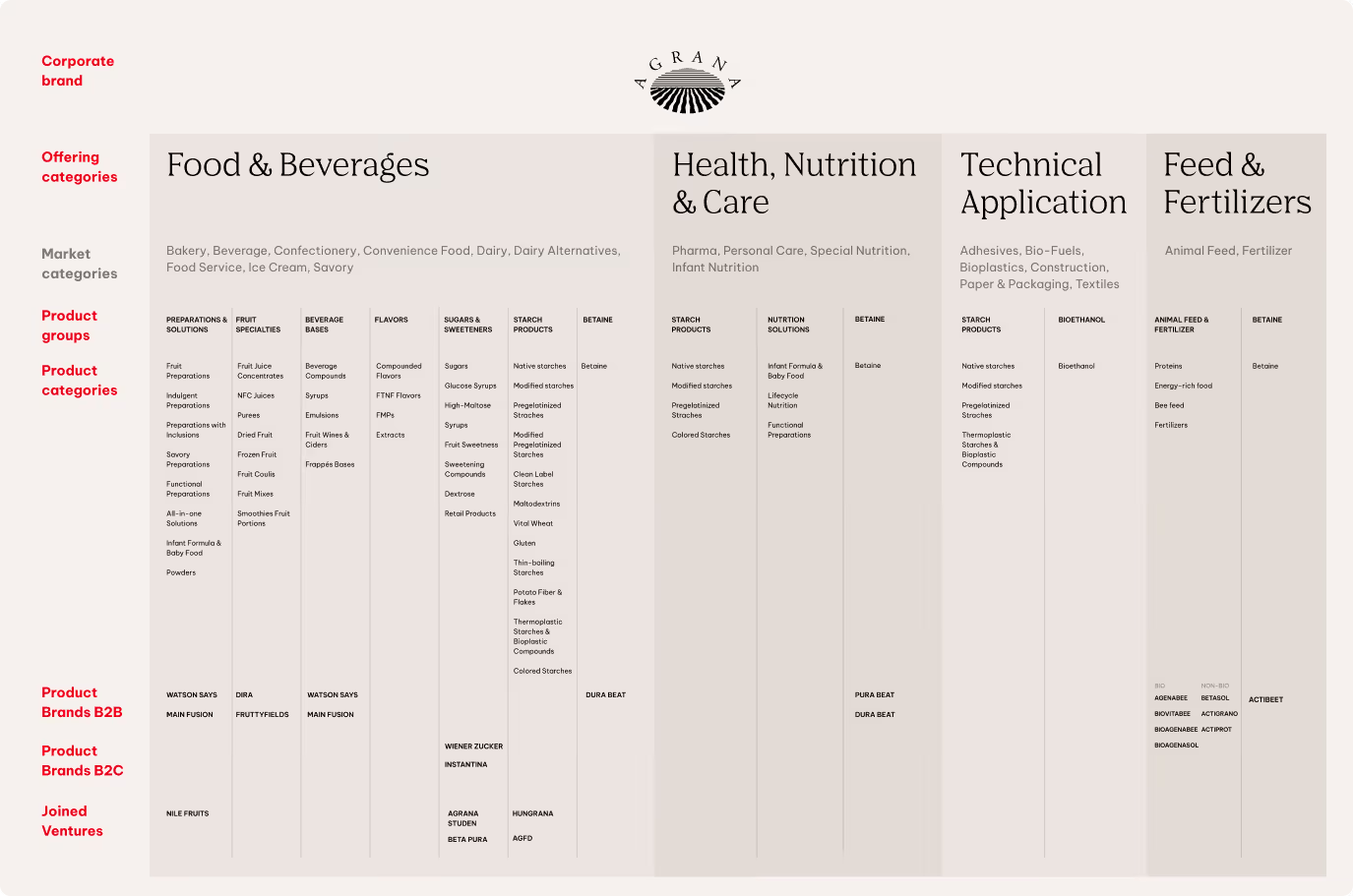
Structuring our products and services as AGRANA ‘Offerings'. All external-facing products or services in our portfolio can be classified according to one of four offering categories:

  • Food & Beverages
  • Health, Nutrition & Care
  • Technical Applications
  • Feed & Fertilizer

How this helps us reach our objectives:

1. Reflect business & brand transformation and grow perceptions beyond sugar, starch and fruit

✓ Emphasizes end-use value rather than natural ingredients
✓ Signals broader capabilities
✓ Allows future expansion of portfolio

2. Strengthen AGRANA as a corporate brand

✓ Breaks down divisional silos and makes AGRANA the anchor for all products
✓ Enables emotional storytelling

3. Be more customer focused and align with changing market demands and drive innovation
✓ Creates a benefit-driven, intuitive portfolio
✓ Simplifies navigation
✓ Supports cross-selling

Branding options

Definitions

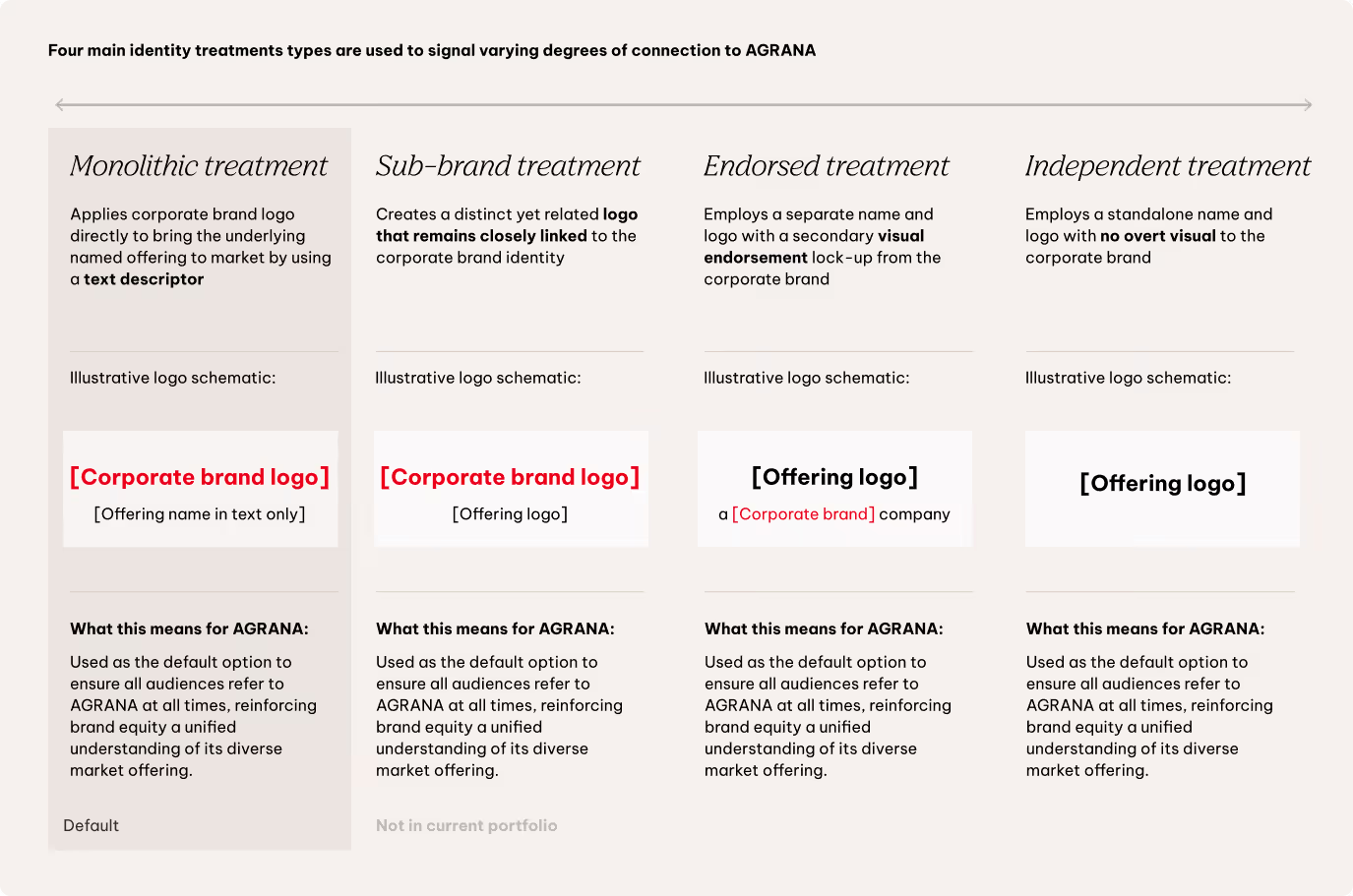
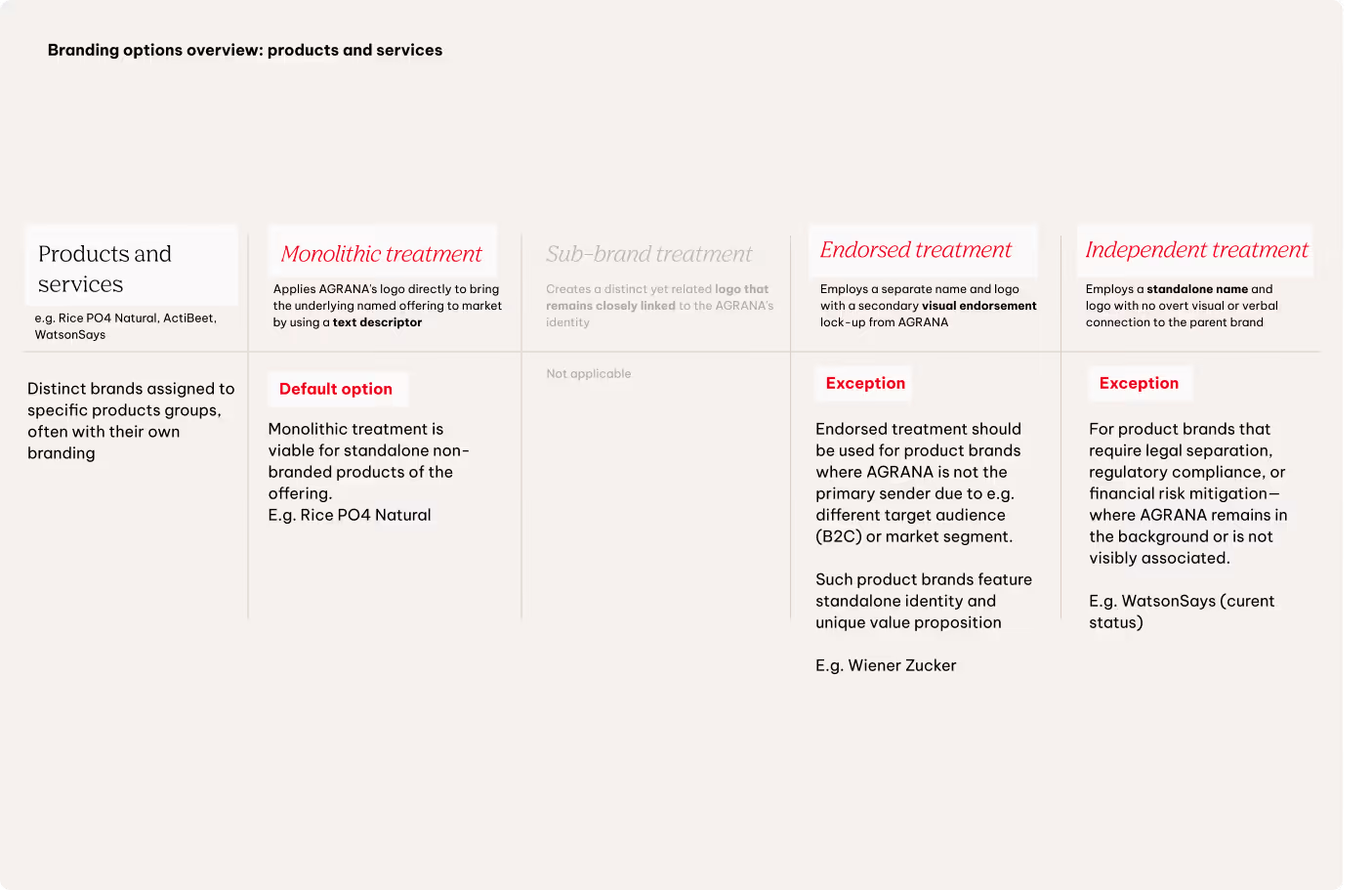
We have four branding options, each applying a different identity treatment with varying connection to AGRANA.

The default option is always the monolithic treatment, following the identity of the AGRANA master brand.

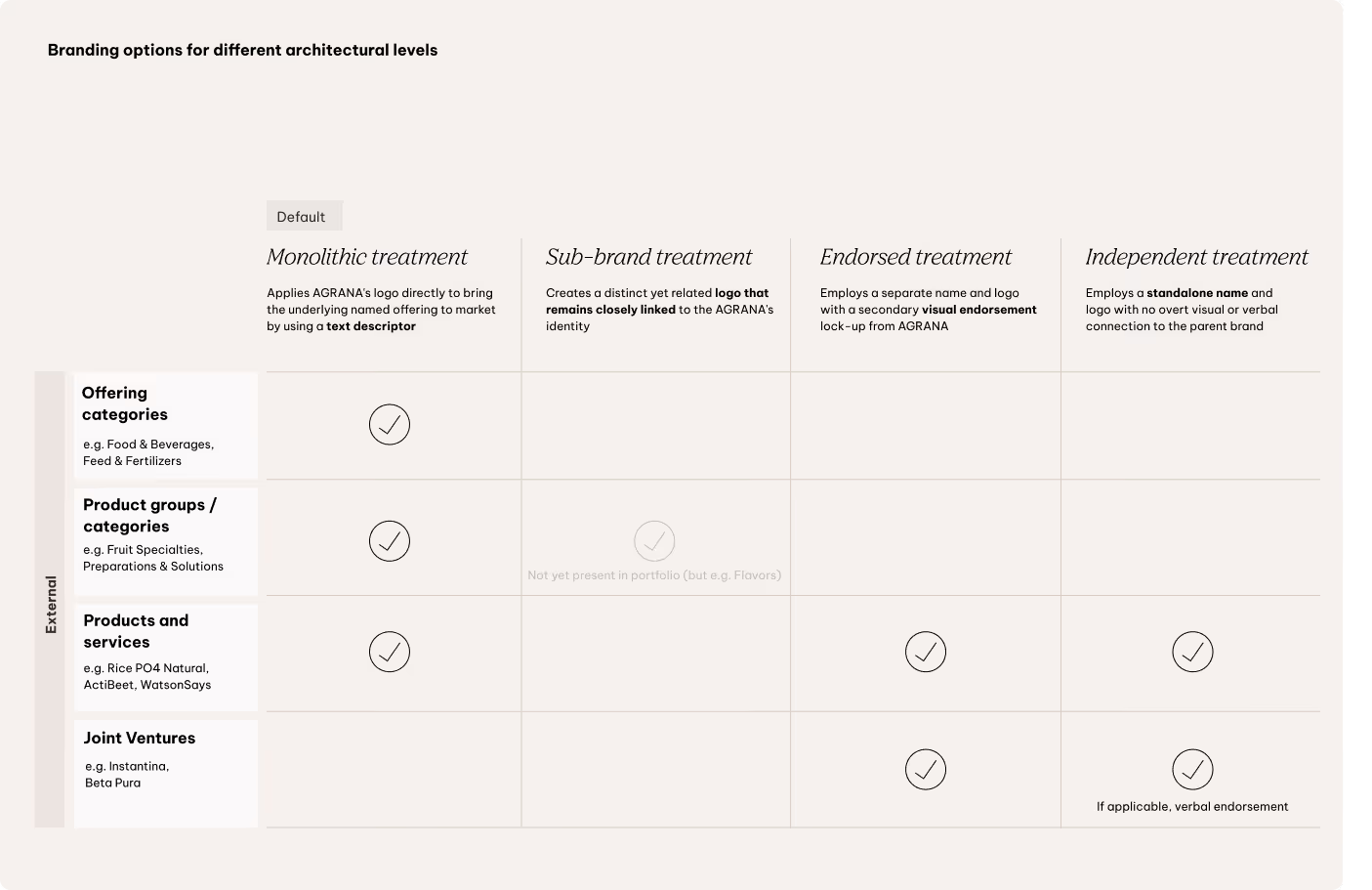
The brand architecture framework outlines the branding options for each level in our architecture.

Our internal branding options show how we look internally (to be defined), and our external branding options clarify how we should appear to the external world.

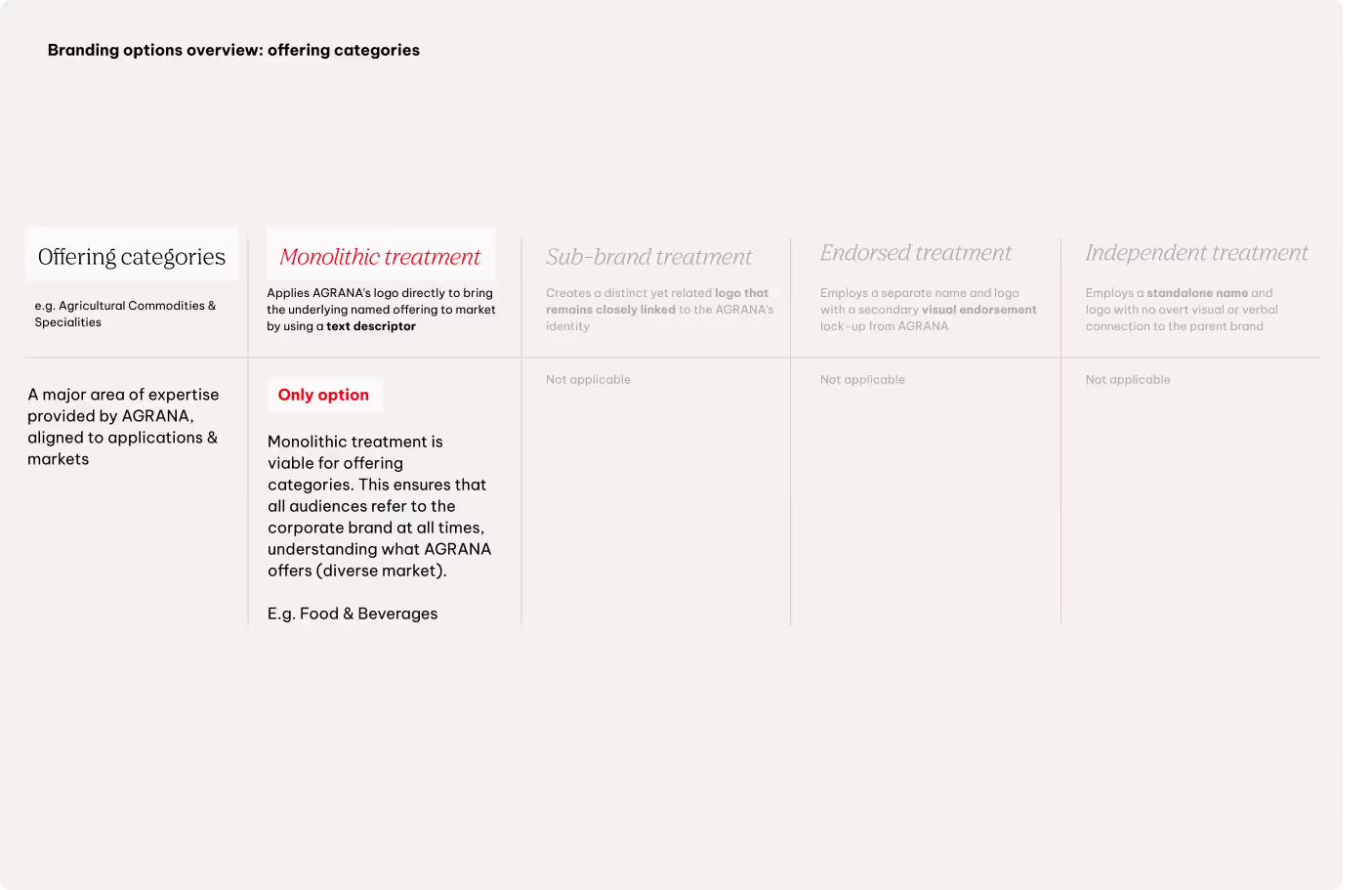
Offering categories

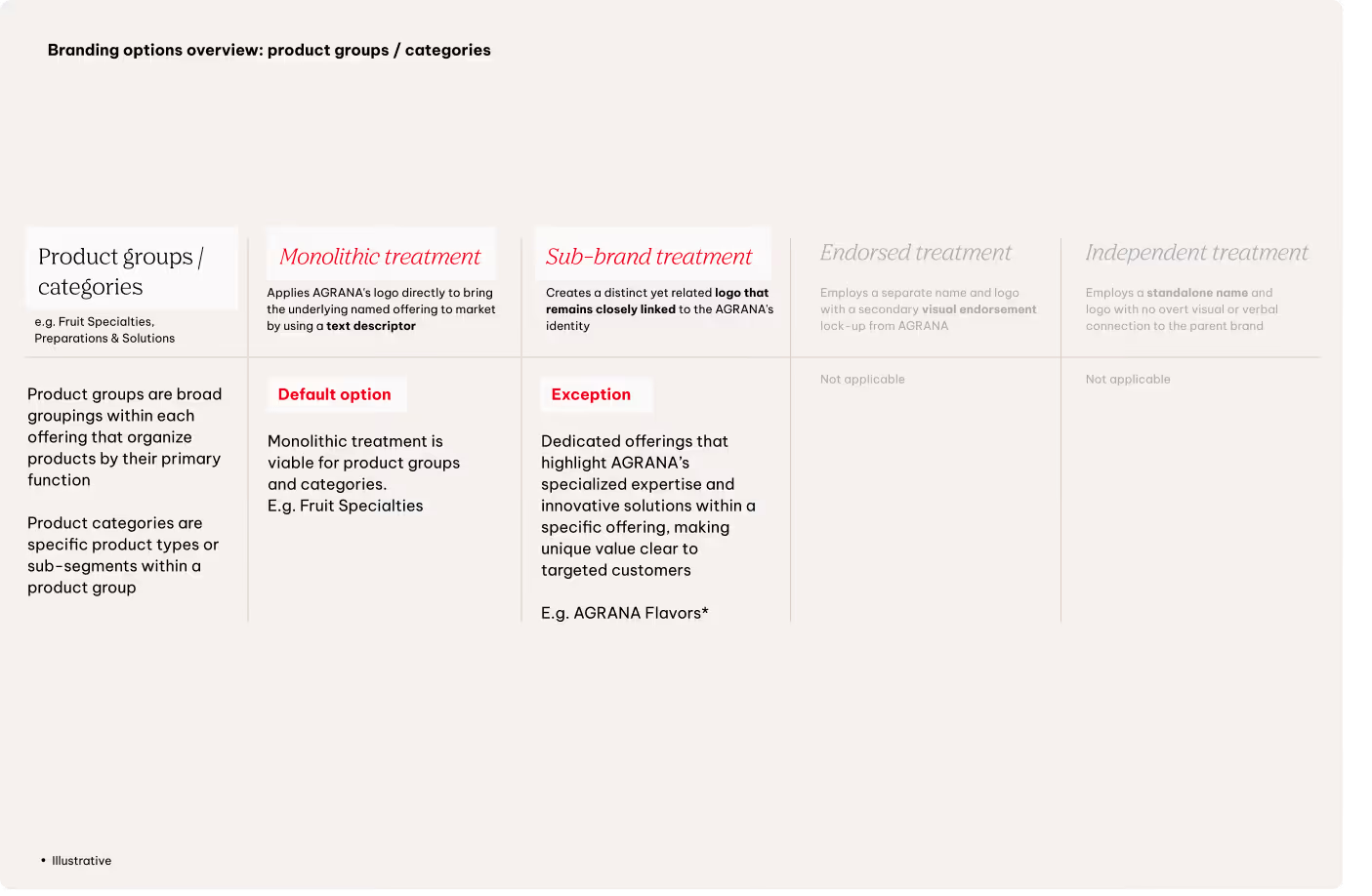
Product groups and categories

Products and services

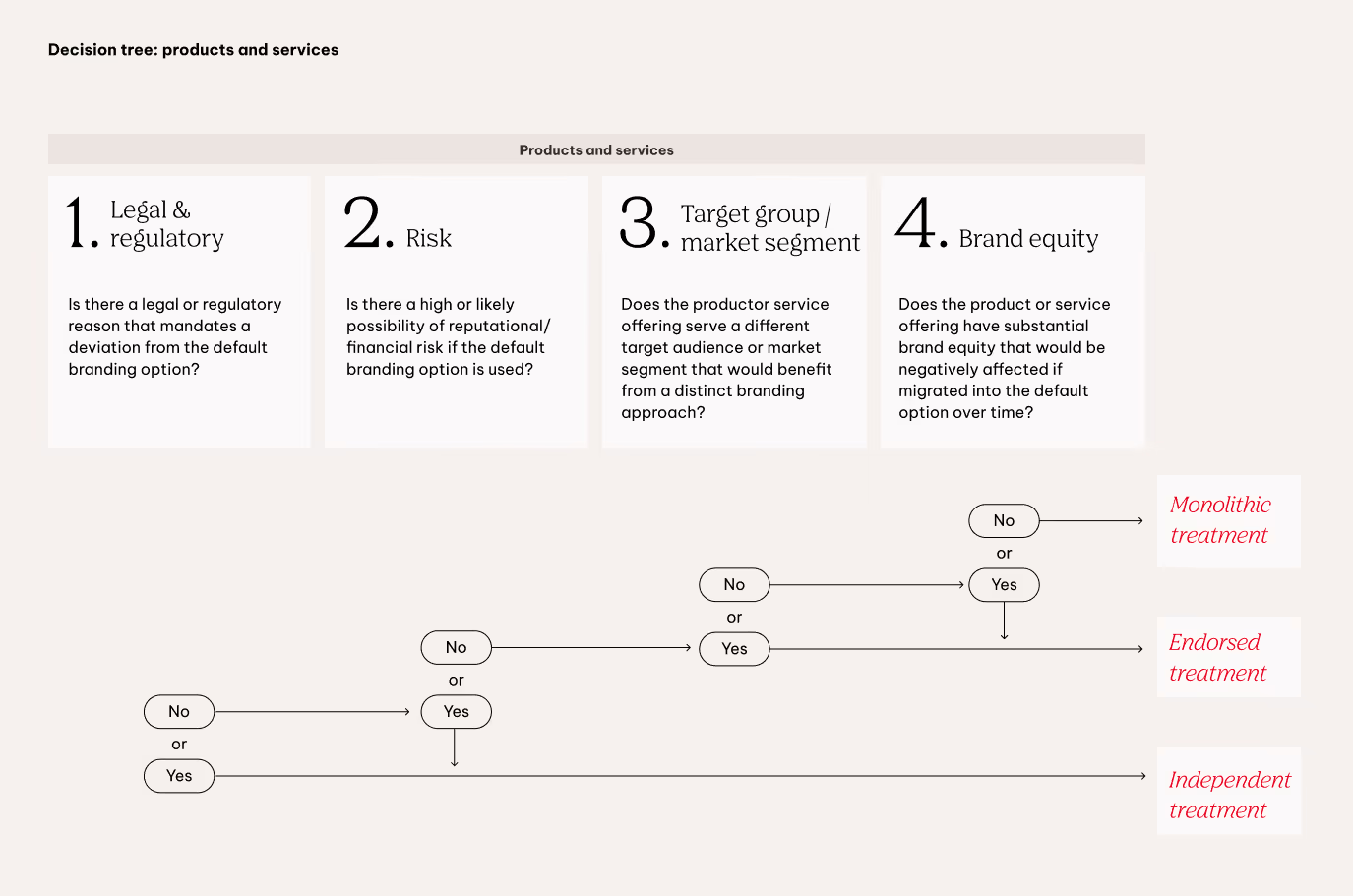
The decision on the right branding option for products and services should be determined in light of strategic considerations:

1. Legal & regulatory
Is there a legal or regulatory reason that mandates a deviation from the default branding option?​

2. Risk
Is there a high or likely possibility of reputational/ financial risk if the default branding option is used?​

3. Target group/market segment
Does the productor service offering serve a different target audience or market segment that would benefit from a distinct branding approach?

4. Brand equity
Does the product or service offering have substantial brand equity that would be negatively affected if migrated into the default option over time?

Joint ventures

‍Product naming

Introduction

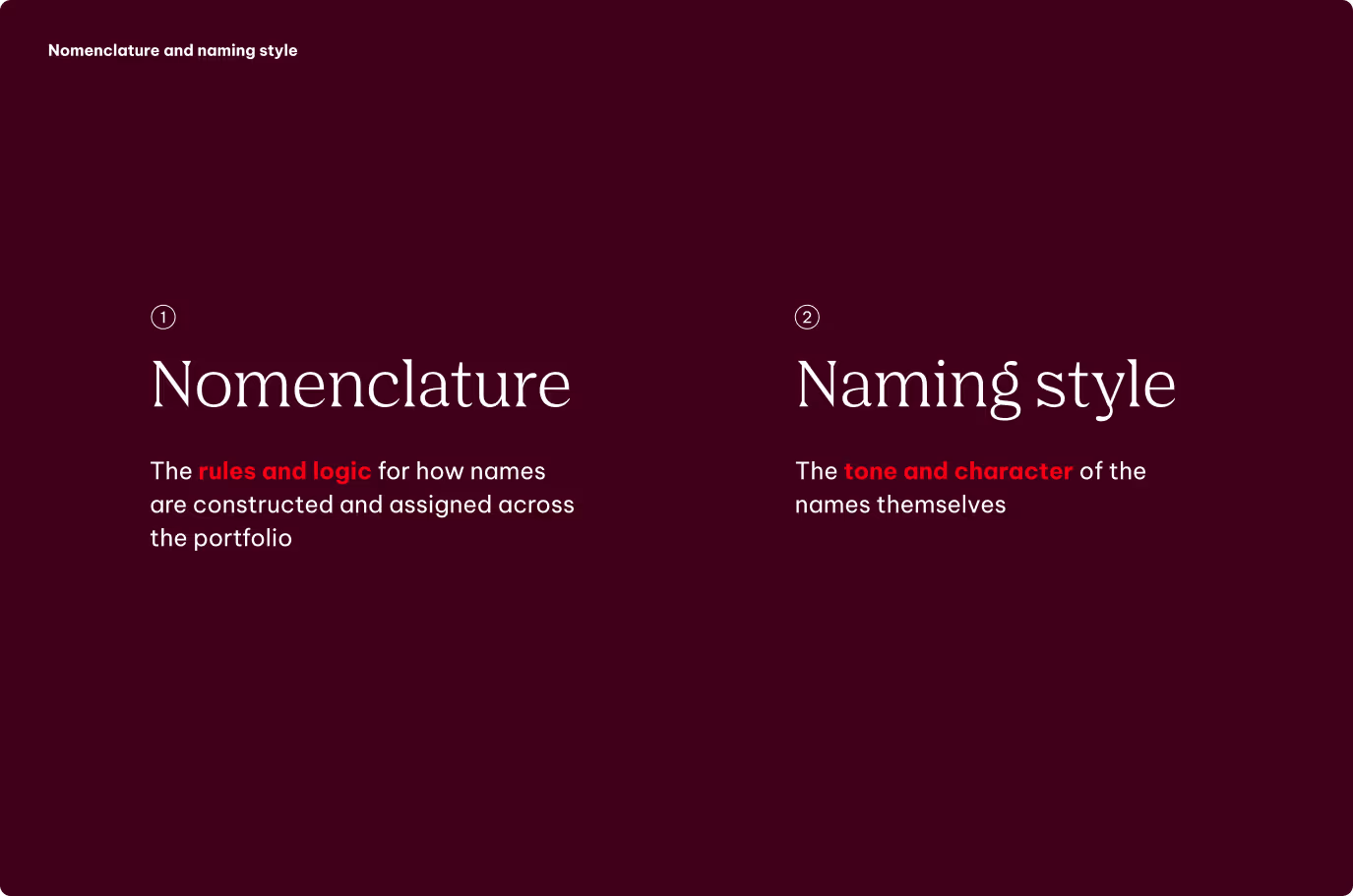
Product nomenclature is more than naming, it's about applying a consistent logic for how names are constructed (nomenclature) and the tone or style they communicate (naming style).

The objective is to ensure every product name supports the new brand architecture, facilitates navigation for customers, and reflects the right level of differentiation.

Note: all rules and naming options presented apply only to new products.

Nomenclature

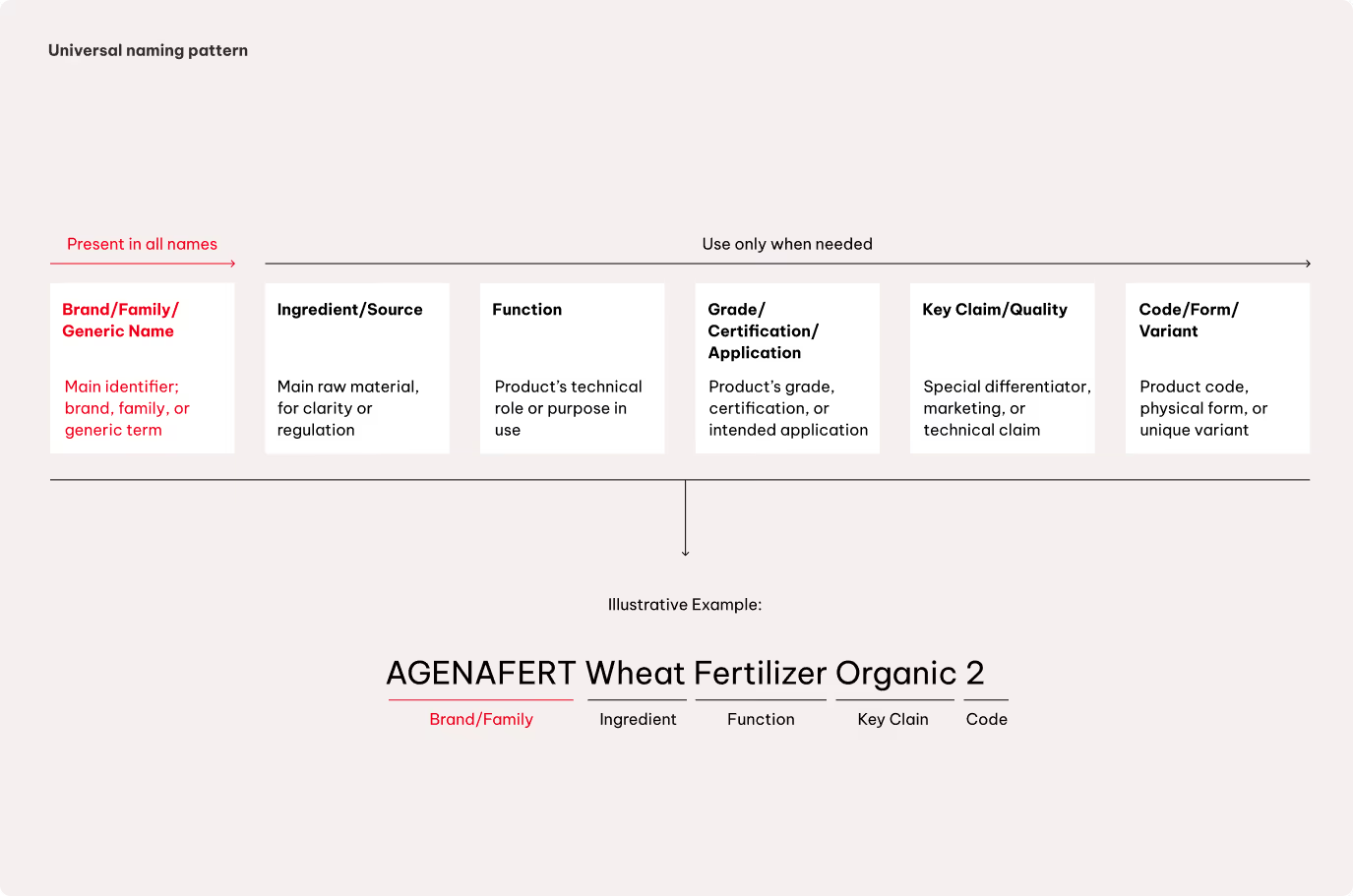
AGRANA applies a universal naming pattern to all products, regardless of business unit or category. This ensures portfolio-wide clarity and predictability.

Each name is constructed using a modular sequence of elements—starting with the core identifier (brand, family, or generic term), followed by ingredient or source, function, grade or certification, key claim or quality, and finally any code, form, or variant.

Not all elements are mandatory; each is included only where necessary for differentiation, regulatory compliance, or customer clarity. This structure enables both simplicity for standard products and flexibility for complex or innovative offerings.

Naming style

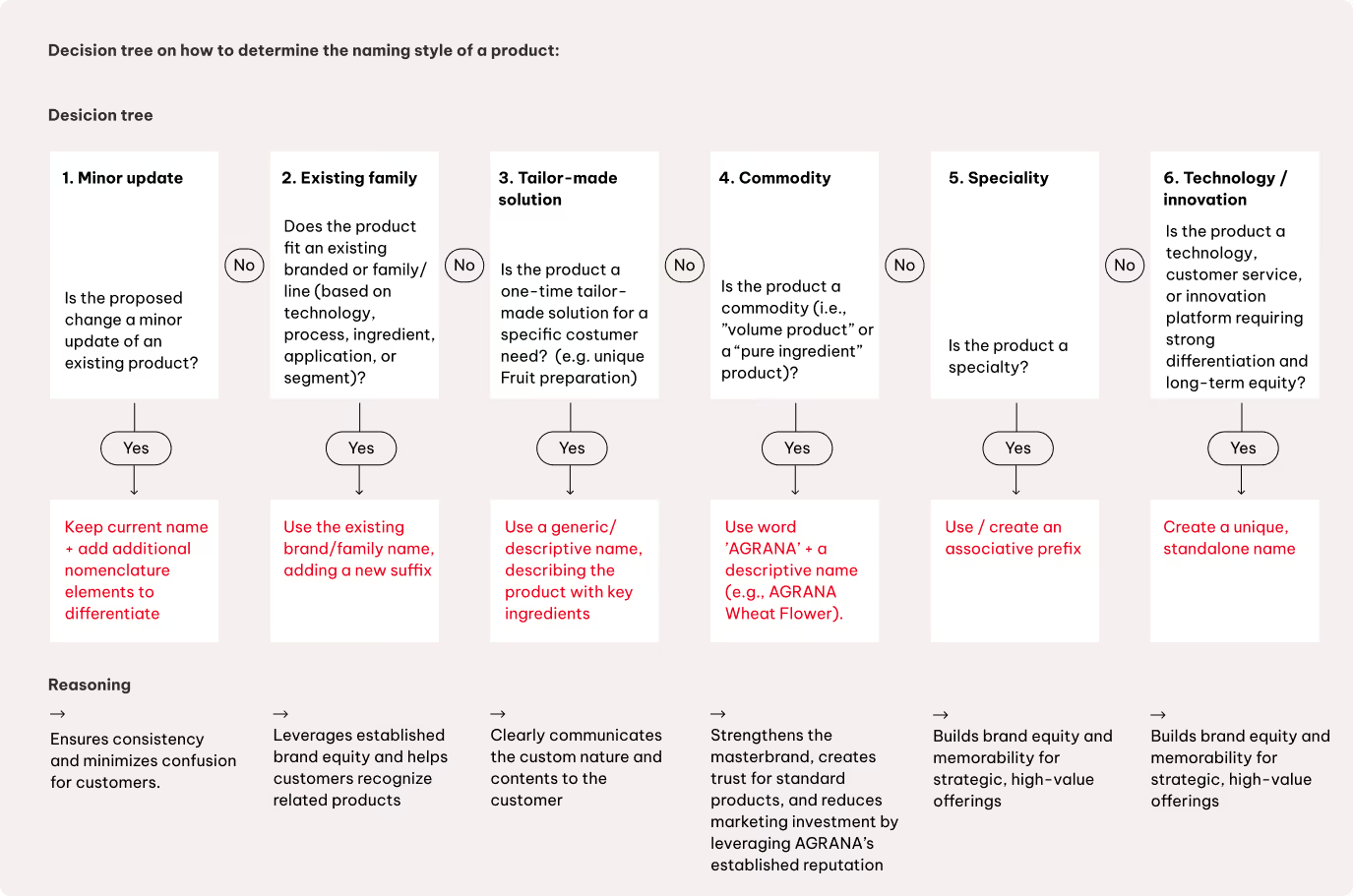
When naming new products, a clear decision tree ensures each product receives the right level of branding and differentiation.

The process starts by assessing if the product is a minor update or something entirely new. New products are then evaluated to determine if they fit an existing branded family, are a tailor-made solution (e.g. from the F&B offering category), qualify as a commodity (for which a masterbrand descriptive name is used), are a specialty (an associate prefix, see next section), or are a true innovation or technology platform warranting a unique, standalone name.

This approach creates consistency, scalability, and clear value signaling for every new product introduced.

Naming style - how to create a new name

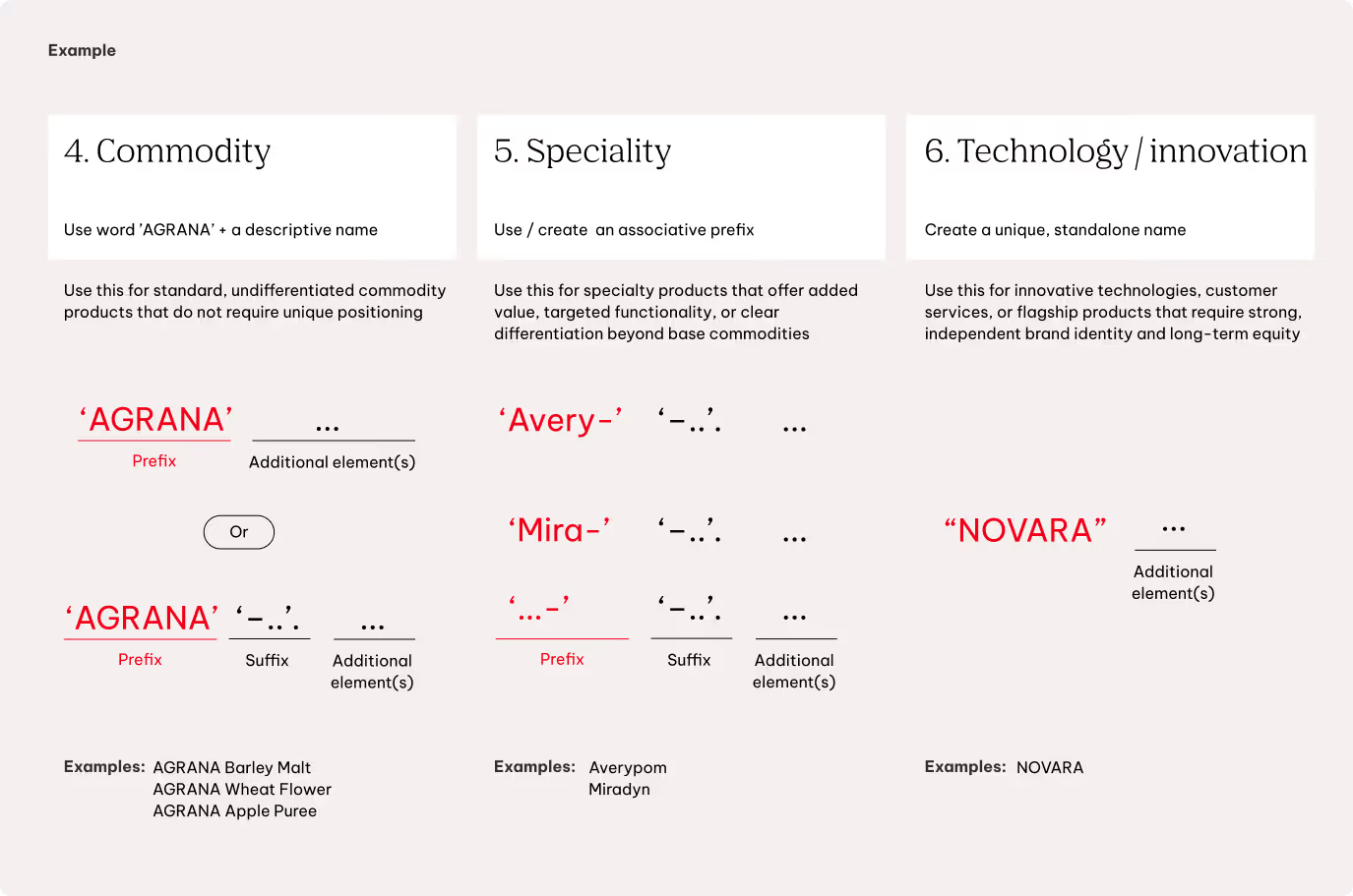
Three distinct naming approaches are used, depending on the product’s positioning and differentiation:

Additional elements (ingredient/source, function, grade, claim, code, etc.) are included as needed for differentiation or utility.

How to create a new associative prefix for a specialty product

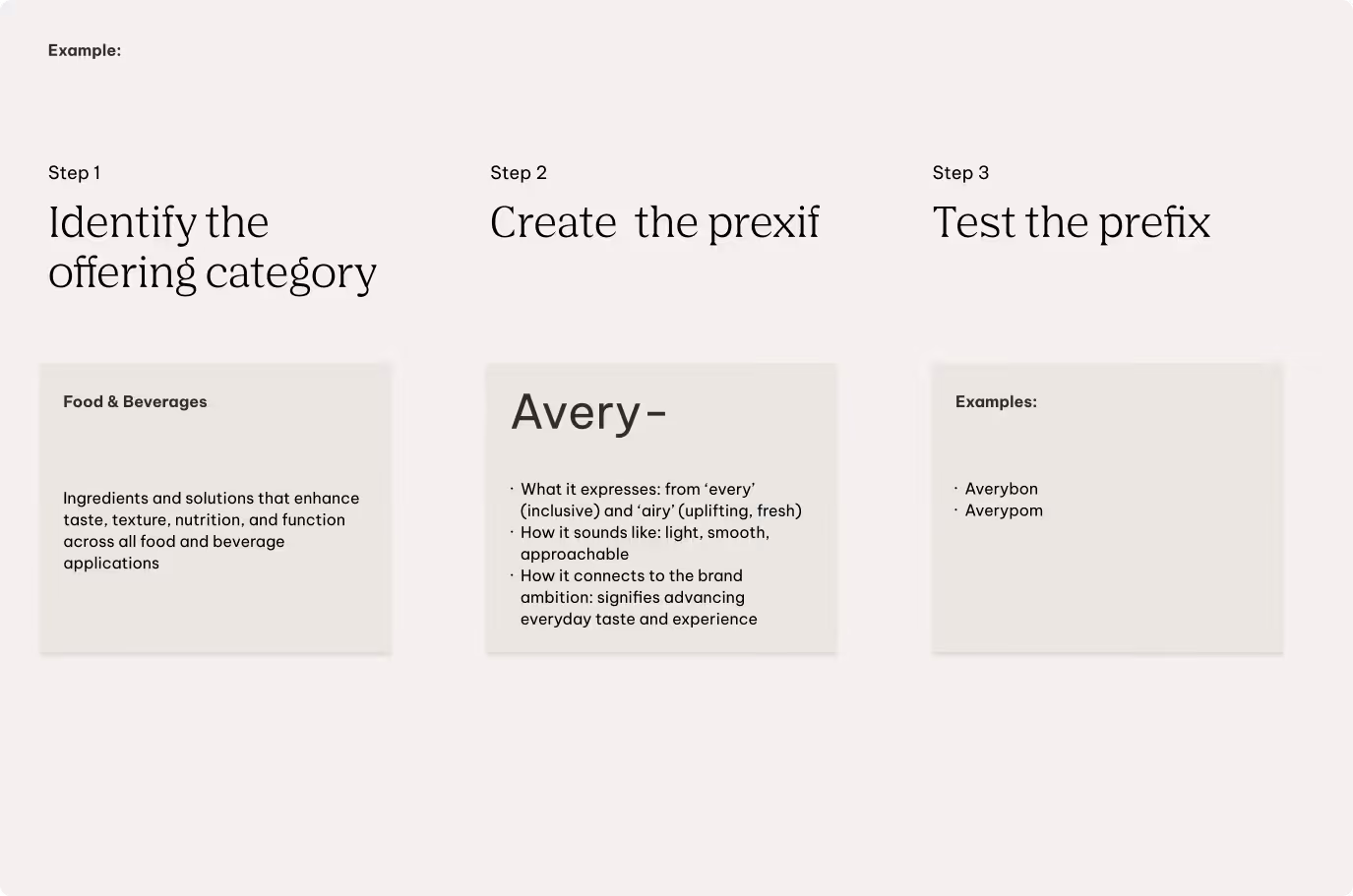
Steps to create new, memorable prefixes for our specialties that are associative and connect emotionally or conceptually to our brand ambition and brand architecture.

Step 01 - Identify the offering category

  • Determine which offering category the product primarily belongs to:
    • Food & Beverages
    • Technical Applications
    • Feed & Fertilizer
    • Health, Nutrition & Care

Note: Some products may overlap categories; choose the majority or dominant category

Step 02 – Create the prefix

  • Base it on the associations of the chosen offering category 
  • Align with AGRANA’s brand ambition
  • Ensure it is memorable, associative, and emotionally or conceptually engaging
Step 03 – Test the prefix
  • Combine the prefix with the relevant suffixe (e.g., jel, pom)
  • Evaluate how it sounds, flows, and communicates
  • Adjust as needed to maximize clarity, appeal, and memorability

Note: the prefixes shown are illustrative and serve as examples for future naming

‍Core principles

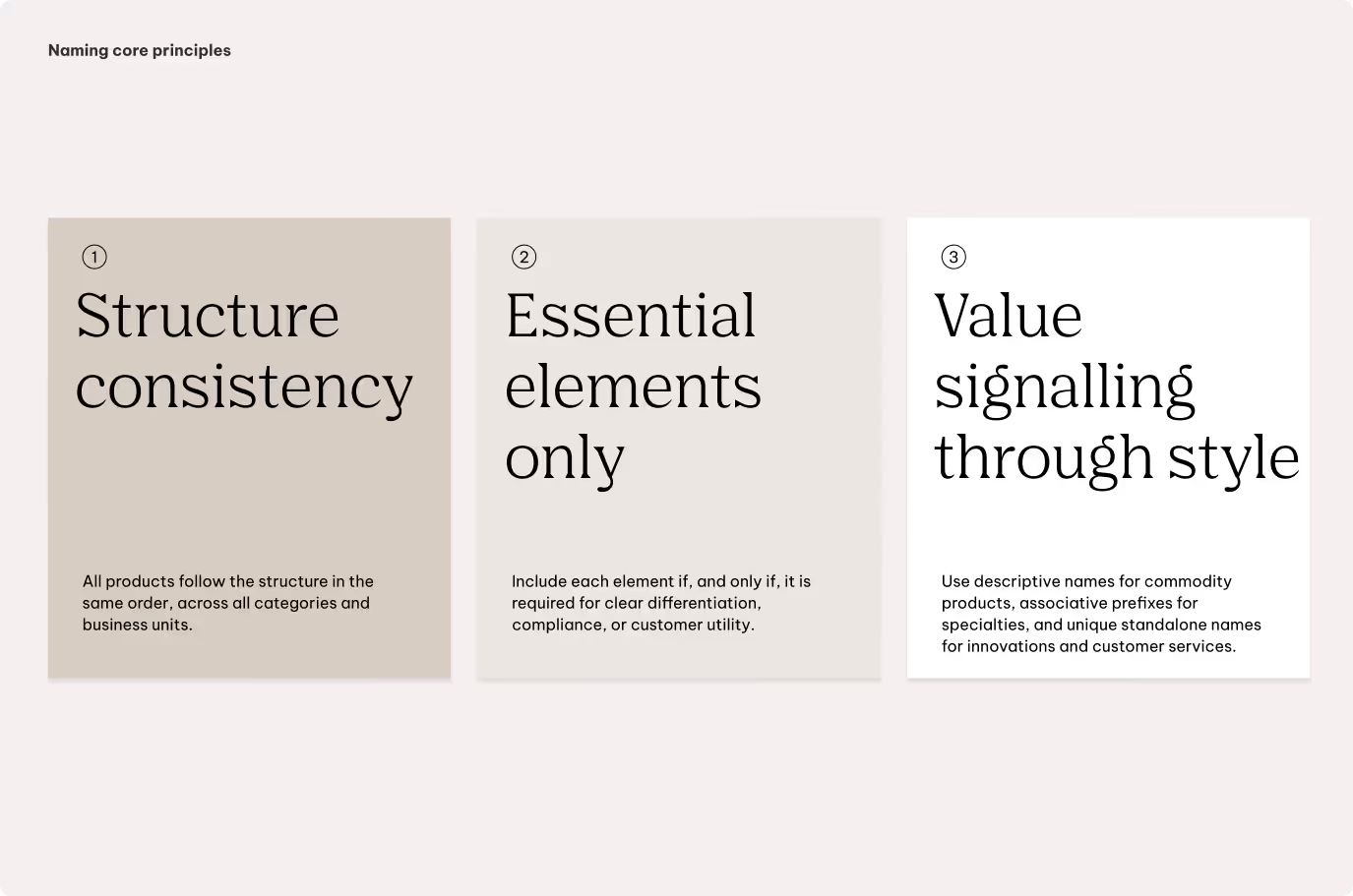
The core naming principles ensure every AGRANA product name fits seamlessly within the broader brand architecture, while also serving practical business and customer needs.

By emphasizing consistency, we create a recognizable system that customers can trust. By including only the essential elements for each product, we keep names meaningful and manageable, never overloaded. And by aligning the naming style with the product’s role (whether commodity, specialty, or innovation), we make each product’s place in the portfolio clear.